Nowadays we all use the Internet, to a greater or lesser extent, and are therefore exposed to online scams. Our activity on social networks, in job search engines or in on-line banking means that our data and lives are highly exposed in the online world. In addition, many of the purchases, transfers and shipments are managed through the Internet.

What are the dangers of online scams?
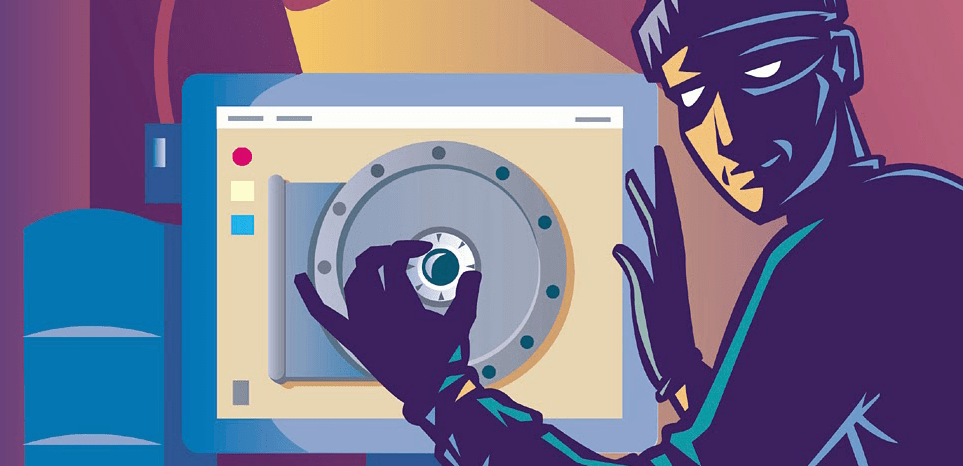
The best known is phishing, with which criminals get our data and use them to get our money. Once obtained our data will be used to steal money from bank accounts, use the credit card in purchases, sell them to a third party or impersonate the identity.
How do you get the data?
Cybercriminals impersonate another person or company by means of a false profile and through portals that appear to be secure. Thus, they trick the user into providing personal data such as login credentials, card number, etc.
Some examples of scams are: excessively well-paid job offers, in which we will be asked for money for training or social security; offers in which we are sold objects or brands at very cheap prices; loans with very little interest, but which ask us to pay a certain amount to process it; fake winning lottery coupons; or vacation home rentals for which we pay an amount in advance and it does not exist or it is different from what was advertised.
If you have been a victim, what can you do?
It will depend on the type of scam you have been a victim of, but generally speaking:
- You must collect evidence: the website from which we have been scammed, as well as screenshots or emails, any information that may be useful to investigators.
- Complaint: providing all the evidence at the police station or the Duty Court.
- Once you have done the above, change the access credentials to your current accounts, emails, social networks...
How can we protect ourselves?
- Your bank or companies do not usually ask for your data by email. Therefore, if you receive an email that asks you for personal information, do not provide it. If you have received an email that generates some doubt, do not open it or do not click on the links inside.
- When searching for an entity or company, be sure to spell its name correctly. Many cybercriminals create pages with almost identical names to take advantage of our carelessness.
- Change the access passwords every 6 months. This is one of the best ways to prevent these evildoers from catching us.
- Contratando una póliza de protección de datos como las que ofrecemos en Grupo Galilea que incluye la reclamación por daños en bases de datos, programas informáticos e apropiación de datos o dinero. Además, de cubrir los daños por la interrupción de la actividad por cualquiera de los daños amparados. Para más información entre en el siguiente enlace: https://www.grupogalilea.com/seguro/seguro-ciber-riesgos/