This article clarifies who assumes responsibility when we suffer a skiing accident, the ski resort or the skier? The practice of snow sports, such as skiing or snowboarding, is deeply rooted in our country. It is convenient to know the rights and duties that correspond to us when skiing, especially when we suffer a fall.
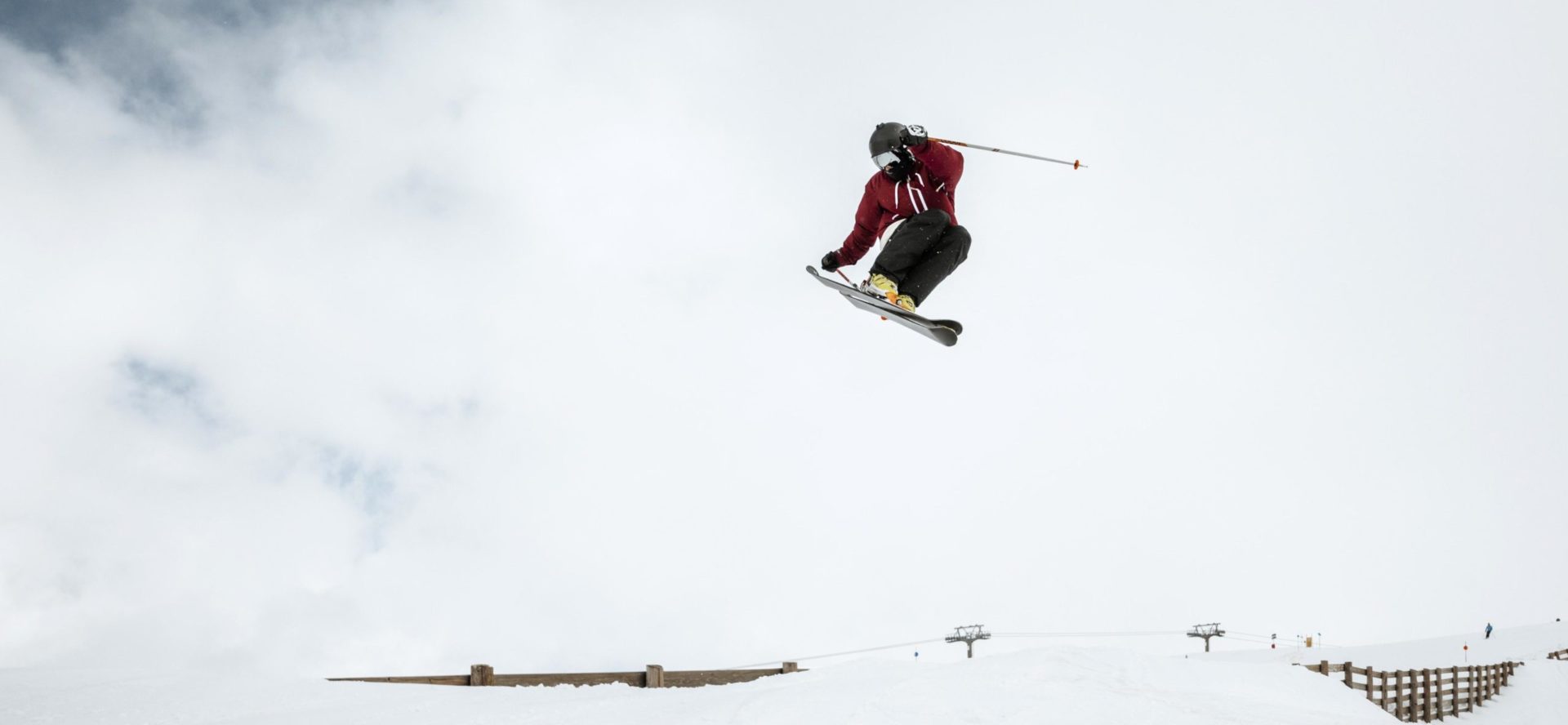
Who is responsible: the resort or the skier?
In the event of an accident, the responsibility of the resort or the skier must be differentiated according to whether the accident occurs within a marked area or not.
- On marked slopes and ski trails, the rescue service is guaranteed.
- The ski itineraries are those slopes marked with an orange color and which are not normally marked. Since they are only suitable for expert users, the resort will not be responsible for any possible damages.
- In "off-piste" areas and closed slopes, the user is solely responsible for his own safety. The resort must give a general warning of the danger of skiing off-piste, as well as the prohibition to use the closed slopes, and may provide assistance in these areas. If the resort does not inform by means of signs and elements that delimit the skiable zone from the non-skiable one, its responsibility could be established.
- Outside the resort's domain, ski mountaineering is practiced under the full responsibility of the skier, without the resort being obliged to provide assistance.
- In relation to the alpine ski slopes, the resort is responsible for preparing them for use, marking them with beacons, showing the existing obstacles or removing them, deciding on the opening or closing of the slopes, establishing access prohibitions or marking places for other activities, as well as controlling and sanctioning users without a lift ticket.
Requirements to be met by ski slopes
Any user has the right that the ski slopes comply with a series of conditions so that the practice of this sport can be carried out with the best guarantees:
- Lift facilities in accordance with the characteristics of the resort.
- Slopes suitable for skiing and other snow and mountain sports.
- Machinery for the conditioning and maintenance of the tracks.
- Water and electric power supplies and sanitation and garbage disposal facilities within the ski area.
- Telephone service connected to the national network or, failing that, a radiotelephone link with a permanent listening point.
- First aid station with first aid equipment and rescue and evacuation equipment
- Shelter or restoration facilities on slopes.
- Reception and locker facilities.
- Administrative offices and workshops.
- Vehicle parking lots and means to maintain them in usable condition.
- Adequate personnel, both in the ski lift and in the other services of the resort.
- General information about the resort and safety on the slopes.
Source: SegurosNews