RACC has recently presented its latest Personal Mobility Vehicle (PMV) Mobility Barometer in Barcelona and its surroundings. This comprehensive analysis focuses on the habits and opinions of those who use scooters and other PMVs to move around the Catalan city and its accesses.
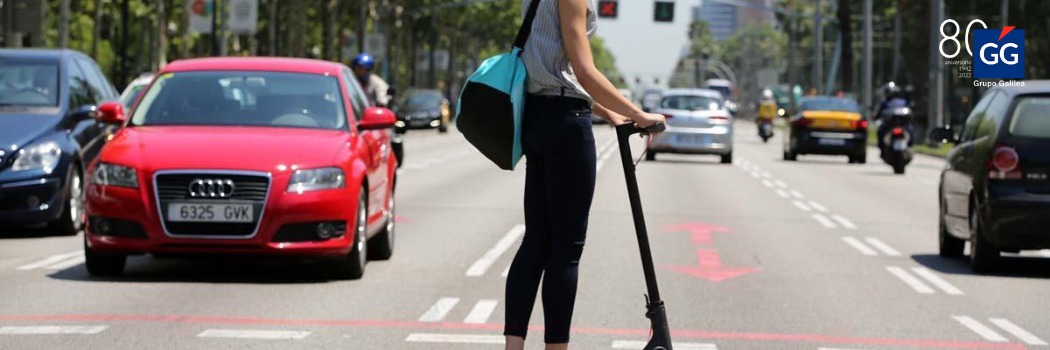
According to the report, the use of MPVs in the city has seen a significant increase in the last year, with an impressive 86% growth in trips within the urban core between 2021 and 2022. With this in mind, the Barometer seeks to explore how these vehicles interact with other traffic to improve their safe integration into the urban landscape and ensure harmonious coexistence between all road users, especially pedestrians and cyclists.
The study conducted by the RACC yielded interesting data on the relationship of scooter users with the public space in Barcelona and its accesses. According to the results, 1 in 7 users report having had some kind of accident with personal injury, which indicates that there is still room for improvement to achieve a good integration of the scooter in the city. In addition, more than half of these incidents involve other modes of transport, such as other VMPs, pedestrians and cars, suggesting the need for better urban mobility planning.
On the other hand, the report highlights that accessibility to the network for VMP users is also perceived as insufficient. In fact, 83% state their dissatisfaction due to the lack of continuity and adequate design of bike lanes. This makes it difficult for users to comply with established regulations.
To carry out this study, the RACC analyzed the behavior of more than 4,400 VMP on the bike lanes available in Barcelona and its accesses; it also conducted surveys of 800 users. The results indicate that the typical user profile is a young person between 16 and 35 years old who uses this means of transport mainly to go to work or to study. In addition, it is observed that many of them already used other sustainable means of transport before using the VMP.
In summary, this study highlights the urgent and important need to improve both the infrastructure and safe practices related to VMPs in Barcelona and its accesses. It is crucial to raise awareness among all users on how to circulate responsibly while respecting the established regulations to ensure a peaceful coexistence among all of them.
Among the measures recommended by RACC are: improving the quality and availability of cycling infrastructure; complementing it with safe parking facilities; improving training and awareness; establishing mandatory insurance; encouraging vehicle registration to reduce the risk of theft; and promoting safe practices to maximize road safety.