You have been wanting to buy second-hand motorcycles for a long time and the arrival of spring has given you that last push you needed to decide to do the operation.
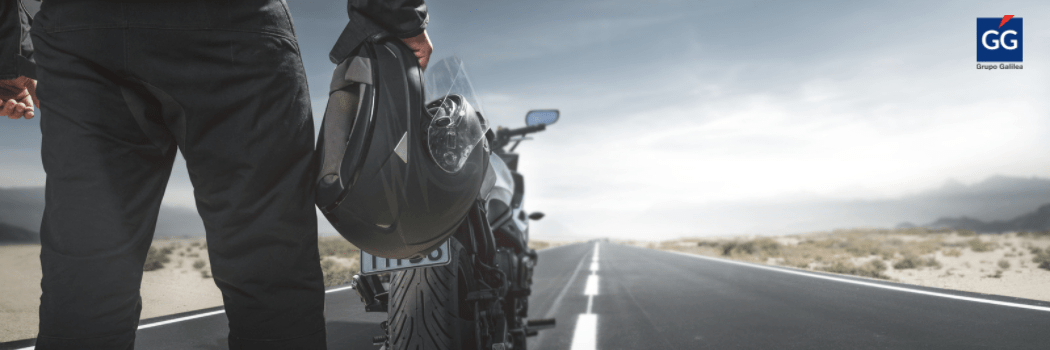
The current offer of used motorcycles is very varied and sales of new motorcycles in Spain are growing. But you have chosen to buy second-hand motorcycles, which means a significant saving compared to a brand new one, but also a risk when choosing the unit to buy.
Do you know what to look for in a motorcycle before buying it? And what are the legal steps to follow? Here you have a small guide with points to check, steps to follow and tips to make a good purchase and enjoy second-hand motorcycles from the first day.
Tips for buying used motorcycles
1) Don't get carried away by emotions when buying your second-hand motorcycle.
It happens to all of us, you have a tremendous desire to buy the bike and start riding, but impulsive purchases are much more risky. Mature your decision, keep in mind that bargains on used motorcycles do not exist and that most of the time it is preferable to pay a little more for a bike in better condition than for a cheaper one and that, in the end, it can be more expensive.
2) Meet to see the used motorcycle without haste.
Invest an hour of your time to talk quietly with the seller, private or professional, to see in detail the used motorcycle and also to test it. By talking to the seller you can get a lot of important information about the bike, whether it has been serviced regularly, how it has been used, any crashes, etc.
3) Check for possible dings on used motorcycles.
From small bumps at standstill that may have marked the mirrors, handlebar counterweights, levers, turn signals, etc. to big crashes in which the chassis, fork, swingarm or tires may have been marked or suffered. Discard the motorcycles with possible big crashes no matter how cheap they are, because many times it is impossible to recover them 100% or it is more expensive than buying a new motorcycle.
4) Pay attention to the wear and tear of your future used motorcycle.
Look at the kilometers of the marker and compare them with those marked on the technical data sheet by the last ITV (if it has). Also, compare that the wear that shows the bike is logical for the kilometers marked.
5) The condition of the bodywork says a lot about a used motorcycle.
Maybe a couple of scratches do not matter to you when deciding on the bike you are looking at, but check well that the anchors of the plastics are in good condition because they are a source of noise, breakage and their repair is expensive. It is also important to buy a motorcycle free of rust, for aesthetics, for durability of different components and for possible breakdowns due to seized or broken screws, etc.
6) Check for leaks on older motorcycles.
It's time to move the bike. Brake with the front brake and sink the fork repeatedly, it must recover quickly and accurately, without sinking again. Do the same with the rear, have the bike held in place, and lower the rear several times by applying force on the seat. Repairing a fork may only cost 200 euros, but shock absorbers are usually beyond repair and triple that price. Look for leaks in the fork rods and shock absorber, in the brakes and in the cooling circuit. It is preferable to see a bike with a bit of dirt accumulated in the hidden parts than a spotless bike where you can't see if it has had any fluid leaks.
7) Check second-hand motorcycles for noises.
Now it is time to start the engine. Try to be in a place where there is no excessive noise and pay close attention to the sound of the engine from the very start. Ideally, you should be able to start the used motorcycle when it is cold, which is the best time to detect possible faults. Any internal sound in the engine should be reason enough to discard the purchase.
8) Test your future second-hand motorcycle
You should not buy second-hand motorcycles without having tested them. This is a test to look for possible defects, not to look for maximum performance. Forget the desire you have to buy it, keep a cool head and repeatedly brake with both brakes independently to see how they work and also the suspensions. Let the engine revs drop a lot to make it recover from the bottom and see that it doesn't fail or stutter, go up in a low gear up to the red zone of the rev counter (on a scooter without gears look for a stretch of open road to pick up speed), make changes of direction, look for possible noises and looseness, etc.
9) Take used motorcycles to a trusted mechanic.
If you are convinced up to this point, the ideal thing to do is to have a professional take a last look at the second-hand motorcycles. If the seller does not intend to cheat you, he should have no problem and agree to take the bike to the workshop you tell him to.
10) For second-hand motorcycles, check the documentation.
It is very important that the documentation is in order, that there are no ownership problems, that the data, the license plate and the chassis number match. Almost nobody checks the chassis number on the documentation and, after a while, you can have a huge problem when you go to the ITV or a police officer asks you for the documentation.
11) Check the history of the used motorcycle.
You have decided to buy it, but for your total peace of mind you should check the history of second hand motorcycles and see that it matches what the seller has told you. You can request the report to Traffic or, if you need it immediately, through different websites for a price around ten euros. With this report you can see the number of owners that the vehicle has had, if it has suffered seizures, if it has been stolen, the ITV it has passed, the odometer readings, etc.
12) Make the transfer of the sale of your used motorcycle
You can do it through the agency, it is the fastest, most comfortable and also the most expensive. You go with the seller to the agency, fill out the applications and pay for the vehicle. If you decide to make the transfer on your own, it is logical that you do not finish paying for the vehicle until you have it in your name. You will have to pay the Transfer Tax at the Tax Office and then go to the Jefatura Provincial de Tráfico to finish the process. For this you need a previous appointment and, depending on the area, the term can reach almost a month.
13) Have used motorcycles serviced
Finally, my advice is always to invest a little more and take second hand motorcycles to the workshop for a routine check, changing oil, filters, checking bolts, adjustments, etc.. This way you make sure that your engine has everything to continue working perfectly for many kilometers and that a loose bolt will not mean a possible more expensive breakdown or a dangerous situation.
Possibly after reading all these tips your idea of buying second-hand motorcycles may seem like an adventure. It is not a big deal, but it is always a good idea to follow a series of guidelines to ensure many miles of happiness on your new bike.
Have you decided to buy a second-hand motorcycle? Discover our motorcycle insurance with the best coverage and the best assistance for you.
Source: SegurosNews